
How to Start Posting on LinkedIn (Your First 10 Posts)
August 7, 2026
TL;DR
Your first 10 LinkedIn posts have only one job, to exist. Pick one hypothesis (a story you can tell, an audience you want to reach, a reason you are credible), hit publish, then read the response and iterate. You cannot learn what lands until you start, so aim for reps and feedback, not a perfect debut.
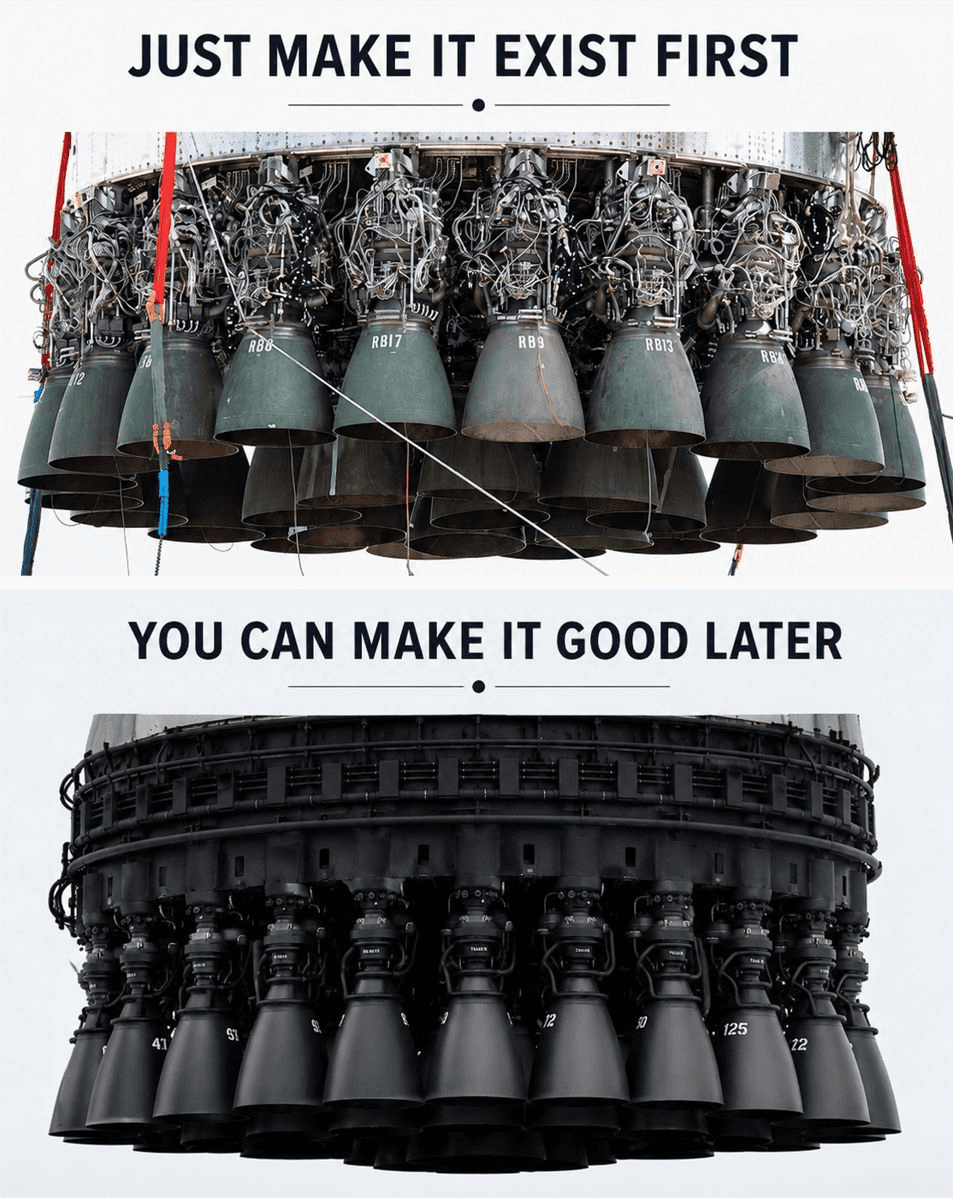
The honest answer: your first 10 LinkedIn posts have only one job, to exist. Not to go viral, not to be perfect, not to nail your positioning. They exist so you have something real to learn from. You cannot know what will land until you start, and no amount of planning replaces the feedback you get from actually hitting publish.
Most people never start because they are waiting to feel ready. They tweak the strategy, study other creators, and rewrite the same draft five times without ever shipping it. Strategy matters. Positioning matters. Copywriting matters. But none of that changes the core point: the first posts are for starting the engine, not for winning. Here is how to get through them without overthinking, and how to turn them into a system that actually improves.
Why your first posts should not aim for perfect
A first post carries a strange amount of pressure for something almost nobody will remember. You imagine your whole network judging it. In reality, early reach is small, feedback is quiet, and that is exactly what makes the first 10 posts safe to experiment with.
Treating them as low stakes is the point. When my own account started, the first posts were simple retellings of product management videos I found interesting. They were not the best content I could have made. But I started, and then I started iterating. That order matters. You do not iterate your way to a good first post before publishing. You publish, watch what happens, and iterate from there.
The trap is thinking the first post has to prove you belong. It does not. It just has to break the seal so the second post is easier, and the third easier still. Perfectionism is the most common reason a promising account never gets past post zero.
Pick one hypothesis before you publish
You do not need a content calendar to start. You need one clear hypothesis to test. A hypothesis is a single sentence you can fill in:
I want to share X story for Y audience, because of my background in Z.
For example: I want to share what I learned shipping a feature nobody used, for other early-stage founders, because I have made that mistake twice. That is enough to write a post. It tells you the subject, the reader, and why you are worth listening to.
The reason to write it down is that it forces a decision. Vague goals ("build my personal brand") produce vague posts. A specific hypothesis produces a specific post, and a specific post gives you specific feedback. If it lands, you learned that story and that audience fit. If it flops, you learned to try a different angle, not that you are bad at LinkedIn.
Once you have the hypothesis, the next move is the whole game: hit publish.
What to actually post in the first 10
If the hypothesis tells you the direction, you still need something on the page. The good news is that your first posts do not need original research or a hot take. They need to be real. A few reliable starting formats:
- A retelling. Take an idea, video, or article you found genuinely useful and explain it in your own words, with why it mattered to you. This is how I started, and it works because you are curating, not inventing.
- A lesson from your work. One thing you got wrong, or one thing that finally clicked. Specific beats clever.
- A simple observation. Something you noticed in your industry that others might have missed. You do not need to be right, you need to be honest.
- An answer to a question you get asked a lot. If people ask you the same thing, others are searching for it too.
Keep it to one idea per post. The strongest early posts make a single point well rather than cramming in five. And spend real effort on the first line, because most of your post is hidden behind a "see more" link and the opening decides whether anyone reads on. If you want a shortcut here, these LinkedIn hook formulas cover the opening lines that reliably stop the scroll.
For finding what to write about beyond your own head, the 5:3:1 method for LinkedIn post ideas is a fast way to source proven angles without staring at a blank page. Study a few strong posts, borrow the structure, and bring your own example.
Publish, then read the response
The part most people skip is the reason to post in the first place. After you publish, look at the response, and not just the like count. Pay attention to:
- Which posts got real comments, not just reactions. A comment means someone had something to say, which is a much stronger signal than a passive like.
- What people said. The actual words tell you which angle resonated and which fell flat.
- Which topics and formats pulled more than others once you have a handful to compare.
Then do the obvious thing: keep what resonates, change what does not. Try different stories, different formats, different points of view. This is why the first 10 exist. Ten posts give you a small but real dataset. One post gives you a coin flip. You are not judging any single post, you are looking for the pattern across them.
This loop, publish then learn, is the entire early strategy. Everything fancier comes later.
Consistency matters more than your debut
The single biggest predictor of whether posting works is not how good post one is. It is whether post two, three, and ten actually happen. A predictable rhythm beats a brilliant one-off, because recognition compounds and because a steady cadence gives you comparable data instead of scattered guesses.
You do not need to post daily. Two solid posts a week, every week, will teach you far more than a burst of ten followed by silence. If you want to think through the right number for your goals and role, this guide on how often to post on LinkedIn breaks it down, but for the first month, pick a cadence you can hit on a bad week and protect it.
The reason consistency matters so much early is that it removes the "is this the one" pressure from any single post. When you know another post is coming Thursday, Tuesday's post does not have to be perfect. It just has to exist.
Where a tool helps, and where it does not
AI copilots can make it easier to start. They cannot do the starting for you. That distinction matters, because the failure mode is not "I could not write a good enough post," it is "I never published." A tool that helps you get past the blank page and keep a rhythm is doing the useful work; a tool that promises to replace your voice is solving the wrong problem.
This is where 2pr.io earns its keep for beginners. It drafts posts in your own voice, learned from persona and AI interviews, so your first posts start from something instead of nothing and still sound like you. It gives you a planner with scheduling so consistency does not depend on daily willpower, and its analytics show you which posts actually landed, so you can run the publish-then-learn loop on evidence instead of memory. It runs on the official LinkedIn API, so your account stays safe from the bans that come with sketchy automation. Plans start at $24/month on annual billing, or $49 month to month, and you can see the details on the pricing page.
But the tool is a multiplier, not a substitute. It cannot decide your hypothesis, and it cannot press publish for you. Those first, slightly uncomfortable reps are yours.
The bottom line
Your first 10 LinkedIn posts have one job, to exist. Pick one hypothesis, a story you can tell for an audience you understand, and publish it before it feels ready. Then read the response, keep what resonates, change what does not, and show up again. You cannot learn what works until you start, and the fastest path to good posts is a stack of imperfect ones behind you. Start, then iterate. That is the whole method.
More LinkedIn guides
Is LinkedIn reach dying? No, it is maturing
Is LinkedIn reach dying in 2026? No. It is maturing from follower-first to interest-first. Here is what changed and why small accounts still win.
July 31, 2026LinkedIn now flags AI slop. What it means for you
LinkedIn is testing an AI slop flag alongside unfollow and show less. Here is what AI slop actually is, why the flag matters, and how to stay on the right side of it.
September 18, 2026LinkedIn's Network tab: what the feed split means
LinkedIn split the feed into For You and Network tabs. Here is what the change does, why it happened, and what it means for creators.
Grow on LinkedIn with 2pr
Ideas, AI drafts in your voice, carousels, scheduling, and analytics: one tool. Start your free trial.
Start free trial